-->

Tuesday, 3 May 2016

Artist Toolkit - Maya

Intro to maya 

Egg Cups : http://tromacorp.blogspot.co.uk/2015/09/maya-tutorial-01.html
Ray Gun: http://tromacorp.blogspot.co.uk/2015/09/maya-tutorial-02.html
Common Shaders: http://tromacorp.blogspot.co.uk/2015/10/maya-tutorial-03.html
UV Layout: http://tromacorp.blogspot.co.uk/2015/10/maya-tutorial-04.html
Animation 1 - Using Rigs
1, 2 and 3 point lighting: http://tromacorp.blogspot.co.uk/2015/10/maya-tutorial-05.html
Animating with dynamics, MEL scripting animation, Motion path animation, Dynamics: http://tromacorp.blogspot.co.uk/2016/05/earlier-maya-tutorials.html

Modelling 1: Digital sets

http://tromacorp.blogspot.co.uk/2015/11/maya-tutorial-06-digital-sets-progress.html
http://tromacorp.blogspot.co.uk/2015/11/maya-tutorial-06-digital-sets-continued.html
http://tromacorp.blogspot.co.uk/2015/11/maya-tutorial-06-lighting-set.html
http://tromacorp.blogspot.co.uk/2015/11/maya-tutorial-06-ive-finished-old-alley.html

Lighting and rendering

http://tromacorp.blogspot.co.uk/2015/12/maya-tutorial-07-lighting-and-rendering.html

Texturing and shading 1

http://tromacorp.blogspot.co.uk/2016/01/maya-tutorial-08-shaders.html
http://tromacorp.blogspot.co.uk/2016/01/maya-tutorial-09-tileable-textures.html
http://tromacorp.blogspot.co.uk/2016/02/maya-tutorial-14-texturing-and-fur.html

Animations

http://tromacorp.blogspot.co.uk/2016/01/maya-tutorial-11-animation.html
http://tromacorp.blogspot.co.uk/2016/02/maya-tutorial-12-felix-jr.html

Pre-visualization

http://tromacorp.blogspot.co.uk/2016/01/maya-tutorial-10-pre-viz-mega-post.html

Modelling 2

http://tromacorp.blogspot.co.uk/2016/05/maya-tutorial-17-hard-surface-modelling.html

Rigging + Skinning 

http://tromacorp.blogspot.co.uk/2016/03/maya-tutorial-15-rig-wip.html
http://tromacorp.blogspot.co.uk/2016/03/maya-tutorial-15-rigging-continued.html
http://tromacorp.blogspot.co.uk/2016/03/maya-tutorial-16-interactive-weighting.html
http://tromacorp.blogspot.co.uk/2016/03/maya-tutorial-16-post-weights-and.html

Earlier Maya tutorials

Using Rigs


Motion Paths.


Mel Scripting

Dynamic Chain


Artist Toolkit - Life Drawing


Monday, 2 May 2016

"The Blair Witch Project" (1999) - A review.

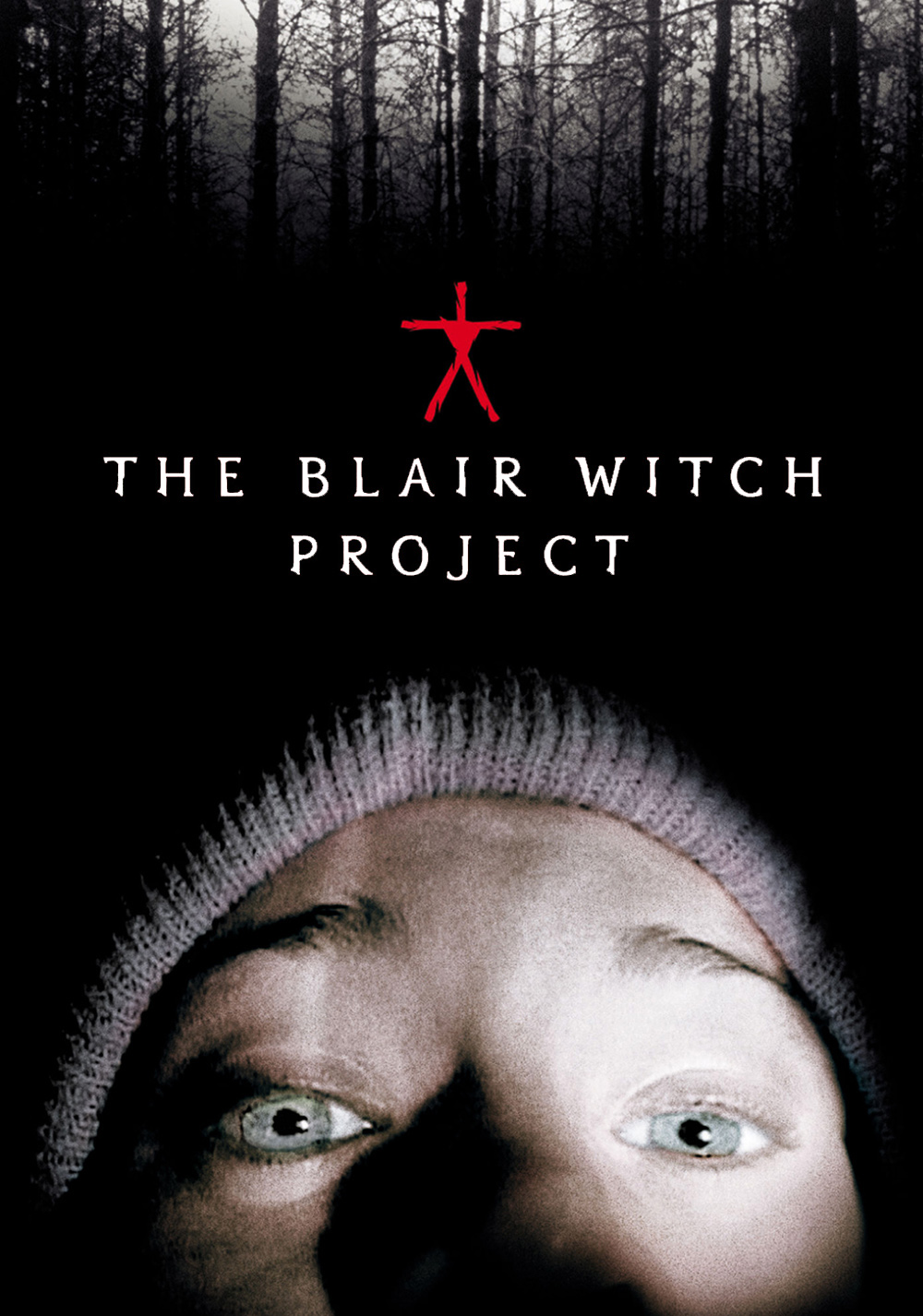
Fig 1. 


The Blair Witch Project” (1999) by Eduardo Sánchez & Daniel Myrick is the film responsible, by large, in the rise of the “found footage” genre of horror. Notable entries into this now done to death category of film, “Cloverfield” (2008), “REC” (2007), “VHS” (2012) and “Trollhunter” (2010) among a handful of others and a sea of derivative copycats. Centering on 3 students who seek to make a documentary on a local folk legend, the eponymous “Blair Witch”, and their eventual disappearance, becoming part of the folktale themselves. The film is comprised on the footage they shot, whilst on their jaunt in the woods. And we are assured at the start that everything that happens in the runtime is absolutely true.


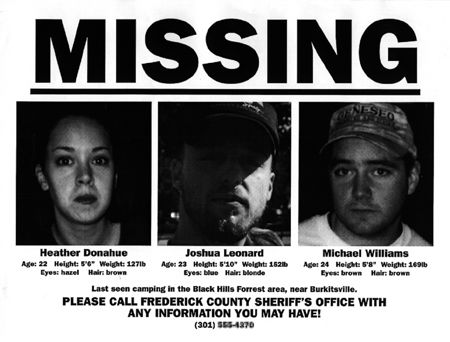
Fig 2.
Combine this chilling affirmation with a smartly done marketing campaign that sought to steep the myth of the Blair Witch into cultural awareness prior to the release of the film, and a steady trickle of word of mouth recommendations, and it’s no surprise why this became such a phenomenon. The marketing campaign itself lead by “Haxan Films, the production company belonging to Myrick and Sánchez, had put together a basic website, www.blairwitch.com, giving the story behind the legend, which went online in June 1998” (Davidson, 2013) laying the groundwork. The horror of Blair Witch coming from the apparent ‘realness’ of events was embellished by interviews, videos of the missing teenagers, in fact “There’s a detailed section on the filmmakers, with photos of them preparing for their filming expedition, and individual biographies with photos dating back to their childhood. In addition, there are pictures of the aftermath including their abandoned car and tapes, photos of the police search, a number of interviews with family members and people who worked on the case, and footage from the news coverage from the time.” (Davidson, 2013) all produced to seem as real as possible, further clouding the line between fact and fiction, and lending itself to the inherent ‘hype’ the film would go on to generate.


In using unknown actors, the film cements the doubt even further, “Remember too, at this time fake documentaries were uncommon, and the unknown actors simply added to the mystique. It was also more difficult at that time for people to check the authenticity of the story, whereas today a simple search online would reveal in minutes that the events were not real.” (Davidson, 2013). Of course, the horror also comes from the possibility that the blair witch is a real entity, and as we never end up seeing her, the audience never receives the usual release present in typical horror films, instead, a dread permeates the ending, as if one has just witnessed a real murder, There are no jumpscares, no flashy effects, just an uncertainty, an uncertainty that is only made worse by the abruptness of the ending.


Tension is paramount in “The Blair Witch Project”, and it is interesting to muse on the fact that this strength can also be viewed as a weakness. Ultimately, the film lives or dies on how much you buy in to the events, and the viewers own expectations going in. Viewed as a conventional horror film, one could posit that events could be seen as lacking, but it is in viewing it in earnest, as if it is reality, a real account, or a quasi snuff movie that the real dread can be felt.  


Fig 3.


Bibliography


Davidson, Neil  “The Blair Witch Project: The best viral marketing campaign of all time
mwpdigitalmedia.com [online] https://mwpdigitalmedia.com/blog/the-blair-witch-project-the-best-viral-marketing-campaign-of-all-time/[Accessed 1/5/2016]

Illustrations


Fig 1. The Blair Witch Project Poster  [image] Available at: http://static.celebuzz.com/uploads/2015/10/the-blair-witch-project-393x560.jpg


Fig 3. The House [image] Available at: https://filmfork-cdn.s3.amazonaws.com/content/bl3.jpg

Maya Tutorial 17 - Hard Surface Modelling


Second to last maya tutorial of this year complete. On to Organic modelling :)

The Art of "Germ Warfare".


Sunday, 1 May 2016

"The Sixth Sense" (1999) - A review.

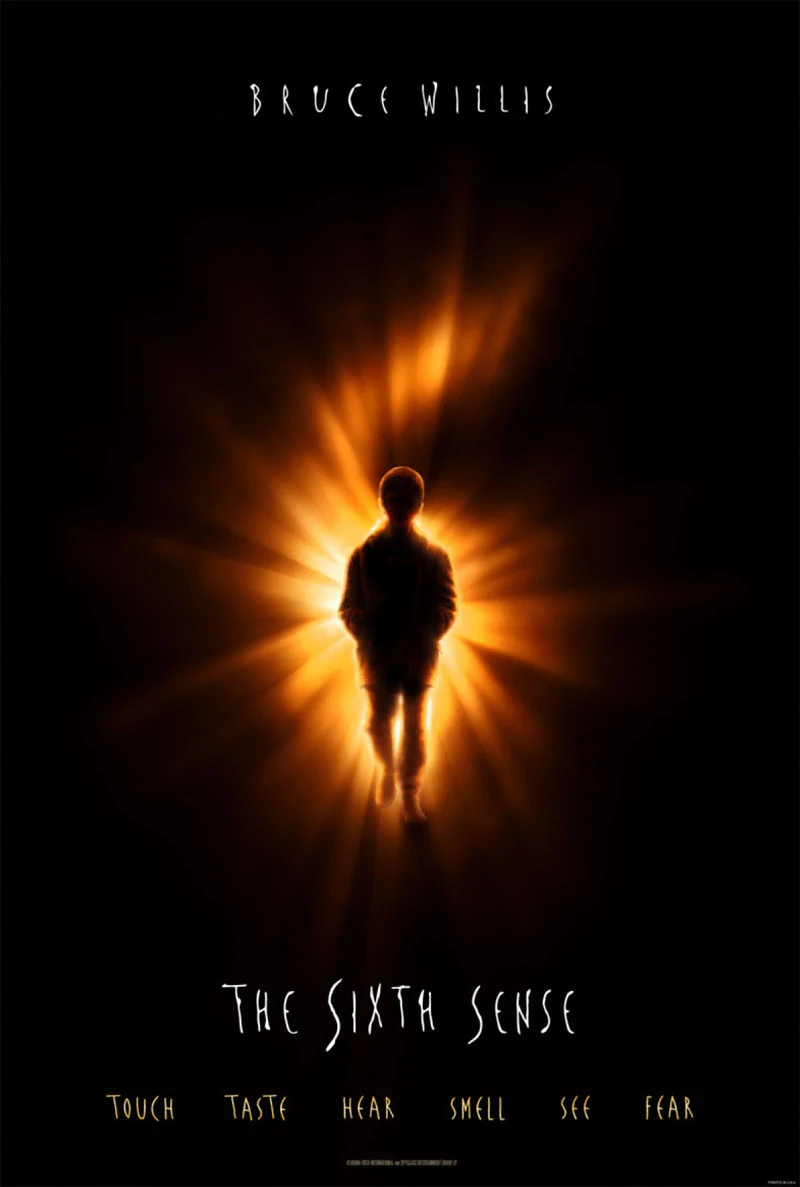
Fig. 1


The Sixth Sense” (1999) by M. Night Shyamalan centers on a child psychologist, Malcolm Crowe (Bruce Willis), and a young boy, Cole (Haley Joel Osment) at the mercy of apparitions. Yes, He can see dead people. “The Sixth Sense” is a special film, in that it contains, perhaps, one of the biggest twists in cinematic history.


To start, let’s deal with the big twist, wherein it is revealed that Malcolm is one of these apparitions. For, in the opening moments of the film he is shot by one of his old patients, who - it is hinted at (at least in the beginning as later on, the narrative breadcrumbs converge in a sort-of revelation as to the existence of spooks and spirits) - is suffering from the same problems as Cole. The film cuts to what we assume is a few months later, where Malcolm is healthy and back to work, and this transition is absolutely seamless. From then on, we occupy the false reality of Malcolm, where he himself is in denial that he has perished. But everything is presented to the viewer as if Malcolm is alive and well. This is made possible by a meticulous grasp on storytelling, matched with subtle foreshadowing that goes to serve the false reality displayed here. Everything, in that regard, is utterly believable until the final reveal, and is made so by parenting the main plot thread with Malcolm’s mini narrative concerning the growing gulf between himself and his wife (foreshadowed in the opening by the suggestion that he has a tendency to put work first) But, even without this thread, the Sixth Sense manages to build a silent dread around proceedings. This is indeed a film of subtle horror, Sian Cain writing for the Guardian reflects “The Sixth Sense isn’t a bloodfest or a whodunnit thriller: some may make the case it isn’t even a horror movie. But the quiet dialogue, the doe-eyed Osment and the sporadic yelp of violins create a tangible sense of dread that makes watching it an overwhelmingly freaky experience.” (Cain, 2014). It is definitely true to say of “The Sixth Sense”, that, overtly, it isn’t scary out and out scary. There are no gratuitous scenes concerning decapitation or trees that come to life and drag characters into the woods to do unspeakable things to them. The fear is generated by our own palpable fear of the unknown, and to an extent, things unseen. Masterfully, Shyamalan plays on our own natural fear of being alone, and this is seen in the immense melancholy of the spirits, who are eventually portrayed not as evil spectres, but real people with real failings, scared of being alone, scared at their own misgivings, wandering alone, absolutely confused, almost as if stuck with dementia and set loose on their own, Perceiving reality on their own terms stuck in neverending loops of past behaviours, not really aware of their own affect on their surroundings, Perhaps it is startling to merge a ghost narrative with that of mental degradation, but there are at least some similarities there, and it’s what goes some way at humanising this aspect of the narrative. It is certainly an element of what makes the emotional core of this film work, the extreme melancholy surrounding death and losing people. Something that haunts Shyamalan’s later works.
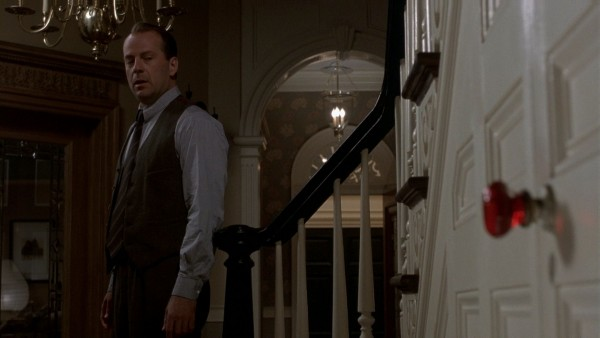

Fig 2.


Dementia point aside, and going back to the story, which is layered so well, it seems that it dodges the revelation as soon as you start coming to the conclusion, everything seems thought of, or given a reason to be otherwise. Leah A. Cheyne, writing for offscreen.com mentions “The layering of relationships between the various characters, how those characters relate to their environment and each other, and how the spectator’s perception and acceptance of reality is called into question are each examined in this tightly structured narrative film” (Cheyne, 2003) For it is in buying into the notion that we are viewing events from Malcolm’s perspective, that the audience draws conclusions that crack under the revelatory nature of the finale. “The complex dialectical narrative structure leads the spectator into misreading the role that Malcolm plays within society. By placing him as one of the central protagonists, the spectator comes to understand part of the constructed film world from his perspective.” (Cheyne, 2003) And he himself is an unreliable narrator, which Cole directly states by saying the dead only see what they want to see,  And in actuality we see everything from Malcolm’s eyes, everything Malcolm believes to be real.


Indeed, we are given brief moments of potential clarity, if, that is, we look hard enough. There is subtlety to be found within the production design itself; The main conceit here, being that the colour red is associated with spiritual activity, and examples where the cinematography tries to help us along the way, for instance, a telling slow zoom to Malcolm’s face in the moments after Cole reveals he can see dead people. In some ways, the subtle nature of the production design is highly reminiscent of Stanley Kubrick's “The Shining” (1980), which does it’s best to play with the reality of cinema and in particular, the space within the frame to confound the viewer (And there is a rather apparent link between these films in subject matter too, and the obvious “young boy with ability to talk to the dead” parallels). To say that this could be considered a spiritual (excuse the pun) successor to the Shining, wouldn’t be too far off the mark.
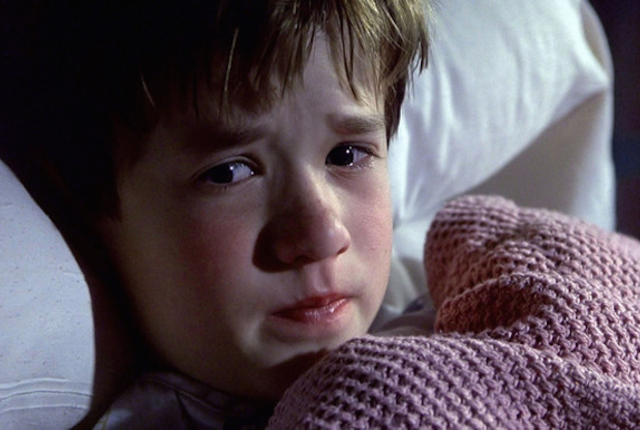

Fig 3.


The Sixth Sense” is a wonderfully evocative film, backed with emotional resonance seemingly pulled from Spielberg himself. It’s scary, on a base human level, playing on very personal fears of loss and loneliness. The ghosts aren’t scary because they’re ghosts. They’re scary because they’re us.


Bibliography


Cain, Sian “The Sixth Sense: The film that frightened me the most” theguardian.com [online] http://www.theguardian.com/film/filmblog/2014/oct/22/the-sixth-sense-film-frightened-me-most-sian-cain [Accessed 1/5/2016]


Cheyne, Leah A. “The Sixth Sense: Humanising Horror” offscreen.com [online] http://offscreen.com/view/sixth_sense [Accessed 1/5/2016]
 

Illustrations